How to Optimize Gym Gear Selection for Peak Performance
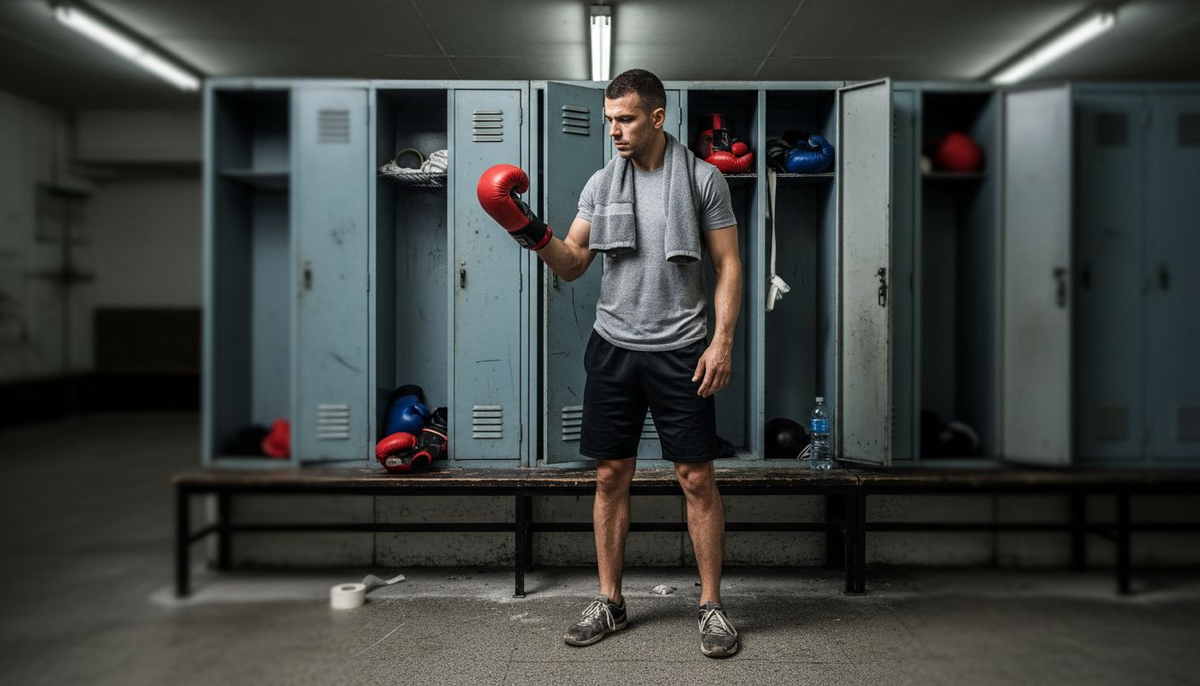
Choosing the wrong gloves can mean sore knuckles, strained wrists, or wasted training sessions for boxers striving for an edge. With every punch, the difference between gear that supports your goals and gear that hinders progress becomes clear. Using a client-centred approach that tailors equipment to your unique body, training style, and performance phase is vital for peak results. This guide breaks down how to select gear that meets your needs for safety, comfort, and championship-level performance.
Table of Contents
- Step 1: Assess Individual Training Requirements
- Step 2: Identify Quality and Comfort Criteria
- Step 3: Compare Gear Options for Performance Needs
- Step 4: Test Selected Equipment for Fit and Function
- Step 5: Verify Gear Meets Training and Safety Standards
Quick Summary
| Key Point | Explanation |
|---|---|
| 1. Assess Personal Training Needs | Identify your training goals and physical conditions to guide gear selection effectively. Be specific about your focus and any limitations you have. |
| 2. Prioritize Quality and Comfort | Ensure gear is made from durable materials and fits comfortably. Look for proper padding and support features to prevent injuries. |
| 3. Compare Gear Options Carefully | Limit your comparison to top models that meet your criteria, focusing on essential features such as weight, support, and padding. |
| 4. Test Gear in Real Conditions | Always try gloves during actual training to assess fit and functionality under stress, not just when stationary. |
| 5. Verify Safety Standards Before Purchase | Check for recognized safety certifications to ensure that the gear meets necessary performance and safety requirements. |
Step 1: Assess Individual Training Requirements
Before you pick a single piece of gear, you need to understand what your training actually demands. Every boxer has different goals, fitness levels, and physical needs. A sprinter’s glove requirements look nothing like a heavy bag specialist’s, and someone prepping for a title fight has completely different gear priorities than someone training for fitness.
Start by identifying your primary training focus. Are you working on speed and technique? Building power and conditioning? Preparing for competition? Your answer shapes everything that follows. A client-centred approach that considers your specific goals, current fitness level, and lifestyle factors will guide your gear selection.
Next, assess your current physical condition honestly. This means understanding your:
- Wrist strength and stability
- Shoulder mobility and any past injuries
- Hand size and knuckle sensitivity
- Cardiovascular baseline
- Recovery capacity between sessions
Take time to document any injuries, limitations, or physical preferences. A boxer with previous wrist strain needs different hand wrap tension and glove support than someone without that history. Someone with sensitive knuckles needs additional padding consideration.
Consider your training frequency and intensity. Are you training twice a week casually, or grinding five days weekly for competition? Your gear durability needs, ventilation requirements, and comfort features all depend on this reality. A twice-weekly recreational boxer and a professional fighter have vastly different equipment demands.
Creating personalized training plans requires continuous monitoring of how your body responds—the same applies to gear selection.
Review your training schedule and environment too. Do you train in a hot gym or a climate-controlled facility? Indoor or outdoor work? Morning sessions or late-night training? These details affect glove breathability, wrap durability, and overall gear performance.
Document your goals with specificity. Instead of “get better,” write “improve hand speed by 5% in three months” or “successfully defend title in six weeks.” Specific goals make gear choices clear. The research shows that tailoring programs using principles like specificity and progressive overload ensures your equipment truly matches your needs.
Here’s an overview of how specific training goals affect boxing glove selection:
| Training Goal | Key Glove Feature | Durability Required | Padding Priority |
|---|---|---|---|
| Speed & Technique | Lightweight build | Moderate durability | Minimal padding for feedback |
| Power & Conditioning | Dense padding | High durability | Maximum shock absorption |
| Competition Prep | Enhanced wrist support | Moderate to high | Competition-approved balance |
| Casual Fitness | General comfort | Moderate | Ample cushioning |
Pro tip: Write down your honest assessment right now instead of relying on memory—include any injuries, training frequency, and your main goal. Review this document before making any gear purchase decision.
Step 2: Identify Quality and Comfort Criteria
Now that you understand your training demands, it’s time to know what separates gear that performs from gear that falls apart after three months. Quality and comfort aren’t luxuries—they directly impact your performance and injury prevention.
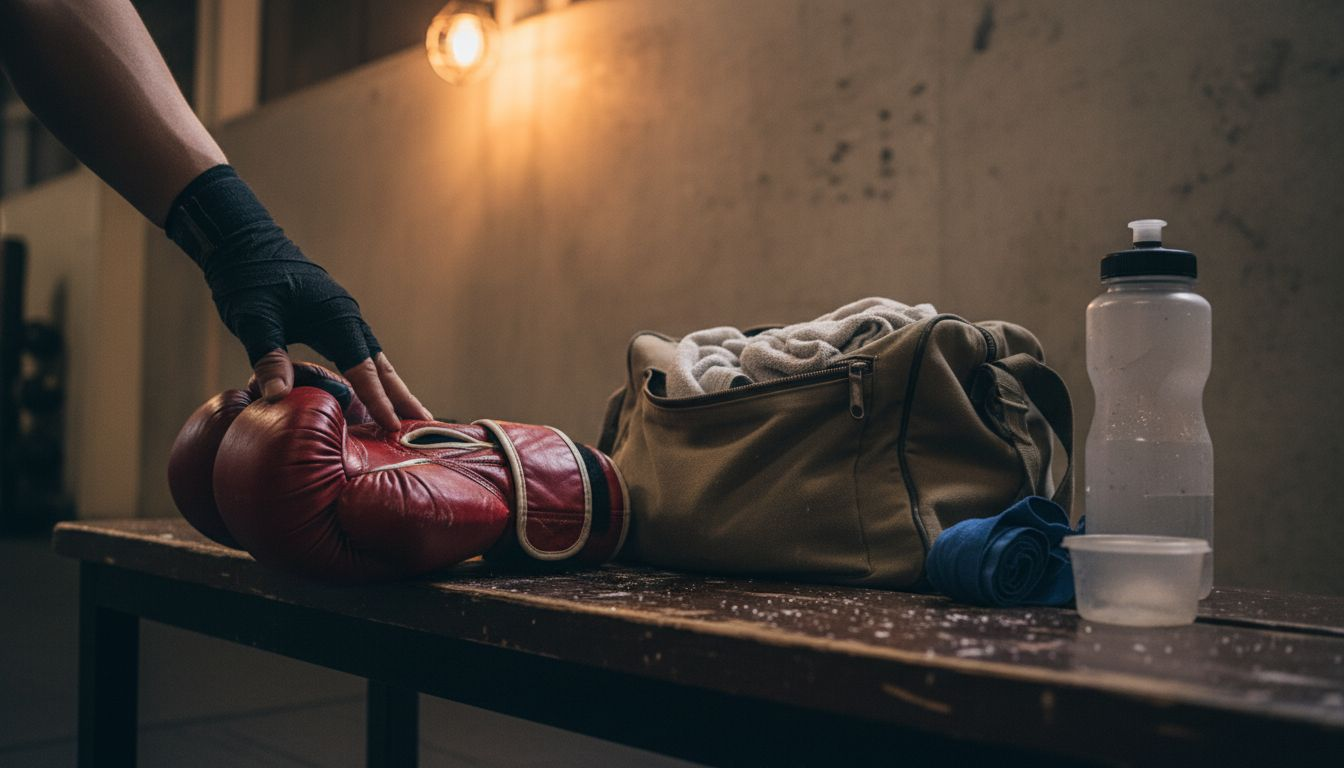
Start by understanding the core difference between quality and comfort. Quality refers to how well gear is made, how long it lasts, and whether it meets safety standards. Comfort is how it feels on your body during intense training. Both matter equally. A glove might feel amazing but fall apart in weeks, or be built like a tank but feel restrictive and cause wrist pain.
Look for material standards first. Genuine leather gloves outperform synthetic alternatives in durability and breathability. Check the leather grade—premium leather is thicker, more uniform, and resists moisture better. The stitching should be tight and consistent, not loose or uneven. Run your finger along seams to feel for quality construction.
Focus on these quality indicators:
- Reinforced padding that doesn’t compress or shift after use
- Double or triple stitching at stress points like the wrist and knuckle areas
- Water-resistant materials that dry quickly
- Consistent thickness across all panels
- Safety certifications or manufacturer standards met
Ergonomics, durability, and user comfort form the foundation of selecting gear that truly works. For boxers specifically, this means wrist support that doesn’t compromise mobility, padding that absorbs impact without feeling bulky, and closure systems that stay secure during explosive combinations.
Comfort criteria go beyond “feels nice.” Your gear must be adjustable to fit your unique hand and wrist structure. Look for closures that offer customization—velcro straps, lace systems, or hybrid approaches that let you dial in support. Your gloves shouldn’t shift during movement or leave marks on your skin after extended training.
Consider sizing carefully. Glove sizing isn’t universal. A 14-ounce glove from one manufacturer might fit differently than another brand’s 14-ounce model. Check sizing charts, read reviews from boxers with similar hand sizes, and understand the return policy before purchasing.
Quality gear supports predictable movement patterns and reduces injury risk by providing structured support exactly where you need it.
Test the gloves mentally against your assessment from Step 1. If you have wrist sensitivity, prioritize gloves with enhanced wrist padding and support. If you train in hot conditions, breathability becomes crucial. If you spar frequently, durability matters more than weight.
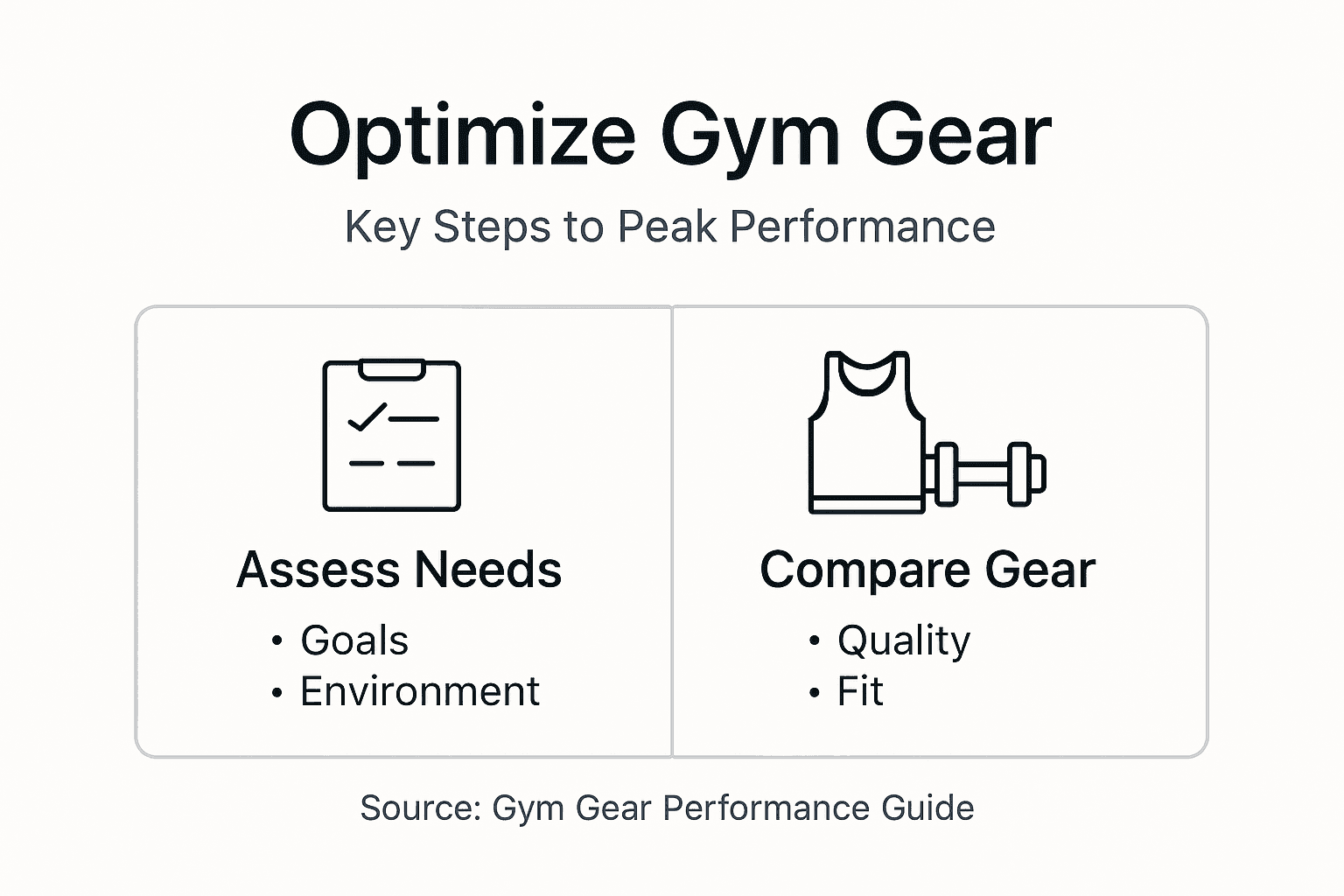
Pro tip: Check the warranty and return policy before buying—genuine quality manufacturers confidently stand behind their gear, and you should have at least 30 days to test comfort in real training conditions.
Step 3: Compare Gear Options for Performance Needs
You’ve identified your requirements and know what quality looks like. Now comes the strategic part: comparing actual gear options side by side to find what matches your specific performance needs. This isn’t about finding the most expensive or popular choice—it’s about alignment.
Start by listing your top three to five options within your budget range. Don’t compare 20 different gloves; that creates analysis paralysis. Focus on models that fit your quality standards from Step 2 and come recommended by boxers in your training style. If you’re a technical boxer prioritizing speed, don’t compare heavy bag gloves designed for power development.
Create a simple comparison framework based on your needs:
- Weight range and how it affects hand speed or power generation
- Wrist support level from minimal to maximum stability
- Padding density and impact absorption for your sparring intensity
- Closure system and ease of adjustment during training
- Breathability based on your training environment
- Price point and value relative to durability expectations
Evaluating equipment according to specific performance needs means matching gear to your actual training variables, not just general preferences. For boxers, this means comparing how each option supports progression through different training phases.
Test options whenever possible. Visit a boxing gym or specialty retailer where you can try gloves on and throw combinations. Fifteen minutes of real movement tells you far more than reading specifications. Pay attention to how the glove feels after impact, how your wrist moves, and whether closure systems hold firm during repetitive punching.
Read reviews strategically. Look for feedback from boxers matching your profile and training style, not just five-star ratings. Someone praising gloves for “general fitness” might not address concerns a competitive boxer cares about. Look for consistent patterns across multiple reviews rather than trusting single opinions.
The best gear isn’t the most versatile—it’s the option that directly supports your specific training phase and performance goals.
Note any deals or warranties. Premium manufacturers often offer trial periods or satisfaction guarantees. Use these periods to confirm your choice under actual training conditions before committing long-term.
Pro tip: Create a simple scoring sheet for your top three options, rating each factor from 1 to 5 based on importance to your training—this removes emotion and helps you compare objectively instead of chasing brand names.
Step 4: Test Selected Equipment for Fit and Function
Buying gear without testing it is like signing a lease on an apartment you’ve never seen. Real-world testing reveals what online specs and marketing claims can’t. This step separates smart buyers from frustrated ones.
Start by focusing on fit assessment in actual training conditions. Put on the gloves and throw combinations for at least ten to fifteen minutes. Don’t just shadow box lightly—work the heavy bag, pad work, or mitts at training intensity. Your hands will warm up and swell slightly, and you need to know how the gloves feel when you’re working hard, not when you’re fresh.
During testing, evaluate these functional elements:
- Wrist stability during explosive movements and pivoting
- Padding response after repeated impact on bags or pads
- Closure security to confirm straps don’t slip or loosen
- Thumb position and whether it limits shoulder rotation
- Knuckle protection with natural hand positioning inside
- Moisture management if you sweat heavily during training
Functional testing ensures equipment performs reliably under intended loads and doesn’t compromise safety. For boxing gear, this means testing under actual training scenarios—not just trying them on while standing still.
Pay close attention to problem areas. If you feel pressure points after ten minutes, that won’t improve with break-in time. If the wrist support feels unstable during quick combinations, no amount of practice will change the glove’s structural design. These are dealbreakers, not minor inconveniences.
Test multiple scenarios if possible. Throw straight punches, hooks, uppercuts, and combinations. Move around the ring. Spar if you’re comfortable with it. Different punch angles and footwork patterns reveal issues that single movements might hide.
Hands-on trials reflecting actual training conditions allow you to make informed decisions before full adoption of new gear.
Take notes immediately after testing while everything is fresh. Rate comfort, support, and performance on a simple scale. Compare notes across your top options. The glove that felt best during testing is your answer—trust that instinct.
Below is a summary of common glove testing outcomes and recommended next steps:
| Test Result | What It Means | Recommended Action |
|---|---|---|
| Stable wrist, no pain | Proper support provided | Proceed with purchase |
| Pressure points, discomfort | Poor ergonomic fit | Try another size/model |
| Slipping closure | Insecure fit risk | Test alternative closure type |
| Insufficient padding | High injury risk | Choose thicker/flatter padding |
Pro tip: Test equipment during the time of day you normally train—morning versus evening sessions can feel different due to hand swelling and fatigue levels, so match your testing conditions to your actual training schedule.
Step 5: Verify Gear Meets Training and Safety Standards
You’ve found gloves that feel great and perform well. Before you commit, verify they actually meet recognized safety and training standards. This protects your hands and ensures your investment performs as intended.
Start by understanding what standards matter for boxing gear. Look for certification marks from recognized bodies. In North America, check for American or Canadian safety certifications. International standards like ISO compliance indicate the manufacturer met rigorous testing requirements. These certifications aren’t marketing fluff—they represent independent verification of structural integrity and safety.
Search the product documentation for these verification elements:
- Certification labels or marks from recognized testing bodies
- Material composition and leather grade specifications
- Impact absorption ratings or padding specifications
- Closure system durability standards
- Manufacturing location and quality control statements
- Warranty coverage details
Gear compliance with training and safety standards ensures minimum requirements for structural integrity and user safety are met. This matters because substandard gloves fail under impact, lose wrist support during combinations, or develop problems after minimal use.
Contact the manufacturer directly if documentation isn’t clear. Legitimate companies respond to questions about their certification and standards. If they dodge your questions or can’t provide specifics, that’s a red flag. Professional-grade manufacturers proudly explain their compliance.
Verify the gloves haven’t been recalled. Check manufacturer websites and safety databases for any reported issues. A recall doesn’t necessarily mean the product is bad, but you need to know if problems exist before buying.
Check return policies and warranties carefully. Extended warranties or satisfaction guarantees indicate manufacturer confidence. If a company only offers 14 days to return gear, they’re less confident in quality than brands offering 30 or 60 days.
Standards compliance prevents injury and equipment failure, ensuring your training environment remains safe and your gear performs reliably.
Review any athlete endorsements or professional use claims cautiously. Real professional boxers use gear that meets legitimate standards, not just popular gear. Verify claims by checking sponsorship details or competition regulations.
Pro tip: Save all documentation and certification information when you purchase—keep photos of certification marks and warranty cards in case you need to reference them for maintenance, repairs, or future purchases.
Elevate Your Training with Gear That Matches Your Goals
Selecting the right gym gear is crucial to reaching peak performance but knowing where to start can be overwhelming. This article highlights the importance of assessing your unique training needs, prioritizing quality and comfort, and rigorously testing your equipment to avoid injury and maximize results. If you are ready to stop guessing and begin training with gear that truly supports your objectives RingRep Gear offers a curated range of premium boxing and fitness equipment designed with those very principles in mind.
Explore our Exercise and Fitness Equipment – RingRep Gear collection where every item meets rigorous quality standards and caters to athletes seeking comfort and durability. From gloves and wraps to apparel that fits like a second skin We make it easy to find gear that fits your training frequency intensity and goals. Don’t wait until discomfort or injury slows you down Elevate your performance today by visiting RingRepGear.com and experience the gear trusted by champions worldwide.
Frequently Asked Questions
How do I assess my individual training requirements for gym gear selection?
Understanding your training requirements involves evaluating your goals, fitness level, and specific needs. Start by identifying whether you focus on speed, power, or competition preparation, and document any physical limitations or preferences. Assessing these aspects will guide you toward the right gear.
What features should I prioritize when selecting gym gear for optimal comfort?
Prioritize material quality, ergonomic design, and adjustable fit when selecting gym gear. Focus on genuine materials that provide durability and breathability, while ensuring the gear has adjustable components for a secure fit. Testing the gear during actual training can help confirm its comfort level before making a purchase.
How can I compare different gear options to find the best fit for my performance needs?
Create a simple comparison framework that emphasizes key features like weight, wrist support, and padding density. Rate each gear option based on how well it aligns with your specific training needs and progression goals. This focused comparison will help you choose the gear that best supports your performance.
What should I test for when trying on gym gear to ensure it meets my needs?
During gear testing, focus on fit, stability, and comfort while performing movements typical of your training. Spend at least ten minutes engaging in actual training activities to assess padding response and closure security. Pay attention to any discomfort or movement restrictions to ensure the gear provides adequate support.
How do I verify that the gym gear meets safety and quality standards?
Check for certification marks from recognized testing organizations and review product documentation for safety ratings. Ensure that the gear contains high-quality materials and comes with a warranty that reflects the manufacturer’s confidence. Having these certifications guarantees that the gear adheres to necessary safety and quality benchmarks.