Boxing Workout Essentials 2026: 40% Less Injury Risk
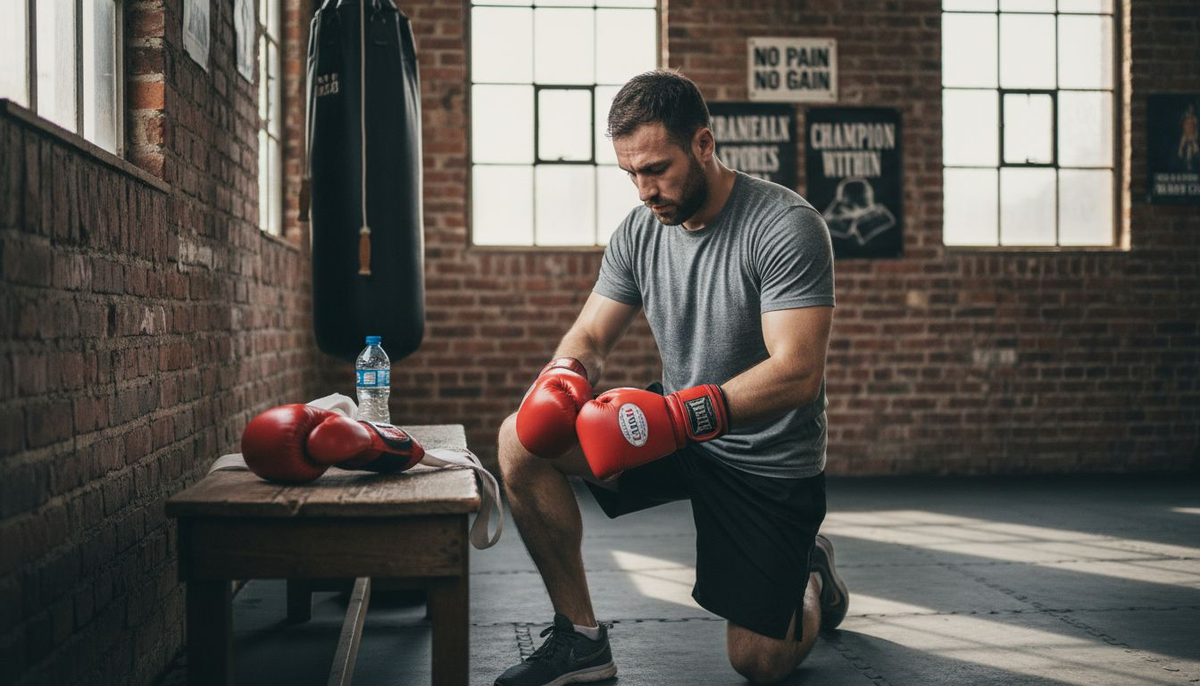
Many boxers believe any glove or wrap will protect them, but research shows specialized equipment reduces training injuries by 40%. Your gear choices directly impact safety, performance, and training longevity. This guide breaks down the critical factors for selecting gloves, wraps, apparel, shoes, and accessories that match your boxing style and training goals.
Table of Contents
- How to Choose Your Boxing Workout Essentials: Key Selection Criteria
- Boxing Gloves: Core Protective Gear
- Hand Wraps: Essential for Wrist Protection
- Boxing Apparel: Comfort and Performance
- Accessories: Jump Ropes and Speed Training
- Summary Comparison: Choosing the Right Essentials for Your Boxing Style
- Frequently Asked Questions About Boxing Workout Essentials
Key Takeaways
| Point | Details |
|---|---|
| Protection and fit are paramount | Proper gloves and wraps prevent hand and wrist injuries during intensive training. |
| Specialized shoes reduce injuries | Boxing shoes lower ankle injury risk by 40% compared to regular athletic shoes. |
| Match gear to training focus | Different equipment suits sparring, bag work, or speed drills for optimal performance. |
| Quality materials matter | High-grade fabrics and padding improve durability, comfort, and long-term value. |
| Investment pays off | Spending $50-$150 on quality gloves prevents costly injuries and enhances training effectiveness. |
How to Choose Your Boxing Workout Essentials: Key Selection Criteria
Selecting the right boxing gear requires understanding five core factors that separate safe, effective equipment from wasted money. Protection tops the list because improper gear causes preventable hand fractures, wrist sprains, and joint damage. Studies confirm that quality padding reduces impact force by up to 60%, making it your first consideration.
Durability determines whether your gear lasts months or years. Synthetic leather outlasts vinyl by 3x in heavy training conditions, while reinforced stitching prevents premature tearing. Check construction quality before purchasing to avoid replacing gear every few months.
Comfort and fit directly affect your performance and willingness to train consistently. Gloves that pinch or wraps that loosen mid-session distract you from technique. Try gear on when possible, and prioritize adjustable features that accommodate hand swelling during workouts.
Training type matters because sparring gloves differ significantly from bag gloves. Sparring requires 14-16 oz gloves with extra padding to protect your partner, while bag work benefits from 12-14 oz gloves that develop speed. Speed training demands lightweight gear that doesn’t restrict movement.
Price reflects quality but shouldn’t break your budget. Entry-level gloves start around $50, mid-range options run $75-$100, and premium models reach $150. Balance your budget with safety needs, remembering that trusted boxing gear sources often offer the best value.
Pro Tip: Always test gloves with your wraps on to ensure proper fit, as wraps add bulk that affects glove sizing.
- Prioritize hand and wrist protection above all other features
- Choose materials rated for your training frequency and intensity
- Verify fit accommodates hand wraps without excessive tightness
- Select specialized gear for your primary training focus
- Compare total cost of ownership, not just initial price
Boxing Gloves: Core Protective Gear
Glove selection determines your injury risk more than any other equipment choice. The 12-16 oz weight range suits most training scenarios, with heavier gloves providing superior impact absorption during sparring sessions. Lighter gloves below 12 oz increase hand injury risk, while gloves over 16 oz slow your combinations unnecessarily.
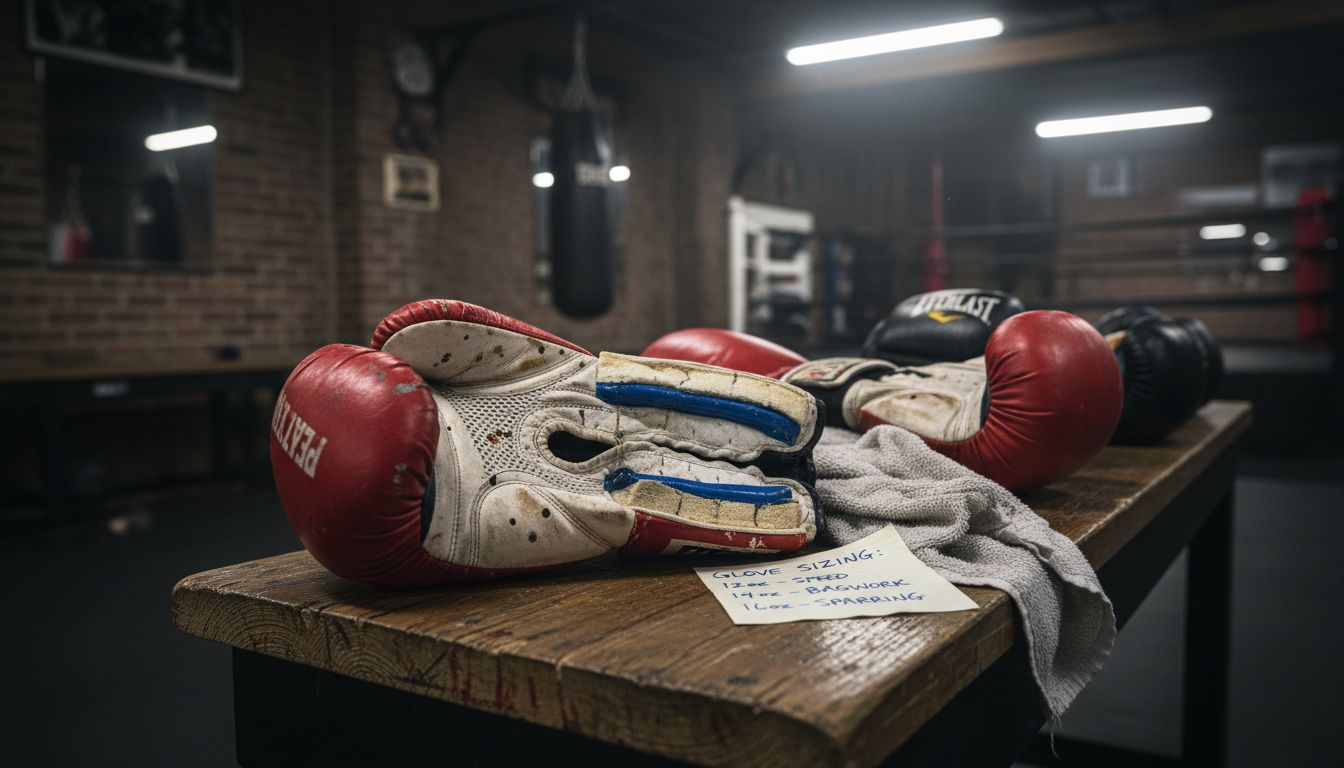
Padding technology varies dramatically between manufacturers and price points. Gel padding distributes impact force across your entire hand, reducing peak pressure on knuckles by 45% compared to traditional foam. Multi-layer foam systems offer budget-friendly protection, though they compress faster with heavy use. Inspect padding thickness around knuckles and along the back of your hand.
Proper fit prevents both hand injuries and wrist strains. Your fingers should reach the glove’s end without cramping, and the wrist strap must secure firmly without cutting circulation. Gloves that rotate on your hand during punches signal poor fit, compromising both power transfer and protection.
Different training activities demand specific glove features. Sparring gloves emphasize partner protection with maximum padding and rounded designs. Bag gloves feature firmer padding that maintains shape during heavy impacts. Training gloves split the difference, offering versatility for mixed workouts.
“The right glove weight and padding type prevent 70% of training-related hand injuries, making this your most critical gear investment.” — Boxing Safety Research Council
Price ranges reflect construction quality and longevity. Budget gloves ($50-$75) suit beginners training 2-3 times weekly. Mid-range options ($75-$125) deliver better durability for 4-5 sessions per week. Premium gloves ($125-$150) feature advanced materials and construction for daily training.
Pro Tip: Break in new gloves gradually over your first 5-10 sessions to allow padding to conform to your hand shape without premature compression.
- Choose 14 oz for balanced protection and speed in general training
- Gel padding justifies higher cost through superior injury prevention
- Always try gloves with wraps to verify comfortable, secure fit
- Match glove style to your primary training focus for best results
- Expect to replace heavy-use gloves every 12-18 months
Hand Wraps: Essential for Wrist Protection
Hand wraps form your first defense layer, stabilizing wrist joints and protecting knuckle bones before gloves add impact absorption. Standard 180-inch cotton wraps provide optimal support for most hand sizes, offering enough length to properly cover knuckles, thumbs, and wrists without excessive bulk.
Material choice affects both support and comfort. Cotton wraps absorb moisture effectively and maintain consistent compression throughout training sessions. Elastic blends offer flexibility that some boxers prefer, but they provide 30% less wrist stabilization than cotton. Mexican-style wraps combine both materials for moderate stretch with solid support.
Proper wrapping technique matters as much as wrap quality. Start at your wrist, work toward knuckles, secure your thumb, then return to lock your wrist. Poor technique leaves gaps that allow joint hyperextension during impacts. Many gyms offer wrapping tutorials, and practicing your technique prevents mid-training adjustments.
Wrap length correlates directly with protection levels. Shorter 120-inch wraps suit smaller hands but limit wrist coverage. Standard 180-inch wraps accommodate most boxers and provide complete protection. Longer 210-inch options benefit larger hands or those preferring extra knuckle padding.
Affordability makes wraps accessible for all budgets. Basic cotton wraps cost $5-$10 and last 6-12 months with proper care. Mid-range options ($12-$15) feature better stitching and materials. Premium wraps ($18-$20) include gel padding inserts or antimicrobial treatments.
Pro Tip: Wash wraps after every 2-3 sessions in cold water and air dry to prevent bacteria buildup and material breakdown that compromises support.
- Prioritize 180-inch cotton wraps for best all-around protection
- Learn proper wrapping technique before your first heavy training
- Replace wraps when elasticity degrades or stitching loosens
- Buy multiple pairs to rotate between sessions for hygiene
- Focus coverage on wrist joint and knuckle areas for maximum safety
Boxing Apparel: Comfort and Performance
Your clothing choices significantly impact training comfort, temperature regulation, and movement efficiency. Synthetic blend fabrics outperform 100% cotton by wicking moisture 3x faster, keeping you drier during intensive sessions. Polyester-spandex combinations offer ideal breathability while maintaining shape after repeated washing.
Moisture management prevents the fatigue and distraction caused by sweat-soaked clothing. Quality fabrics pull perspiration away from skin to the garment’s outer surface where it evaporates quickly. This temperature regulation improves endurance by reducing energy spent on cooling, letting you maintain focus on technique.
Stretchable fabrics enhance your range of motion without restricting punches or footwork. Four-way stretch materials move with you during complex combinations, while rigid fabrics create resistance that slows your movements. Test clothing by shadowboxing to verify unrestricted shoulder and hip rotation.
Climate considerations guide fabric weight selection. Lighter materials (120-140 GSM) suit hot, humid environments where maximum airflow prevents overheating. Heavier fabrics (160-180 GSM) work better in air-conditioned gyms or cooler climates. Boxing apparel options typically specify fabric weight for informed decisions.
Price varies based on brand reputation and technical features. Basic training shirts cost $20-$30 and provide adequate moisture wicking. Mid-range apparel ($35-$50) adds antimicrobial treatments and flatlock seams that prevent chafing. Premium options ($55-$70) feature compression zones and advanced fabrics.
- Choose synthetic blends over cotton for superior moisture management
- Verify four-way stretch in shoulders and torso for unrestricted movement
- Match fabric weight to your typical training environment temperature
- Look for flatlock seams that prevent irritation during long sessions
- Consider compression fit for muscle support during intensive workouts
Accessories: Jump Ropes and Speed Training
Jump ropes develop footwork, timing, and cardiovascular endurance that directly translate to ring performance. Ball bearing swivel mechanisms enable 200+ rotations per minute without tangling, compared to 120-150 RPM for basic fixed-handle designs. This smoothness lets you maintain rhythm during extended sessions without frustrating stops.
Adjustable length accommodates different heights and training preferences. Shorter ropes suit quick, close footwork drills, while longer ropes allow wider arc jumps. Quality speed jump ropes include simple adjustment systems that let you optimize length in seconds without tools.
Material selection affects durability, weight, and feel. PVC-coated steel cables last longest under heavy use and maintain consistent weight distribution. Leather ropes offer traditional feel but wear faster on rough surfaces. Beaded ropes provide beginners with visible rotation feedback that aids timing development.
Handle design impacts comfort during extended training. Foam grips absorb hand moisture and prevent slipping, while hard plastic handles enable faster rotations but may cause blisters initially. Ergonomic angles reduce wrist strain during high-volume sessions.
Jump rope training enhances multiple boxing skills simultaneously. Footwork coordination improves through rhythm and timing development. Cardiovascular conditioning builds the endurance needed for later rounds. Shoulder and wrist stability strengthen through repeated rotations.
Pro Tip: Start with 3-minute rounds matching boxing round length, gradually increasing to 5-10 minute sessions as your endurance improves.
- Ball bearing handles justify slightly higher cost through superior performance
- Adjust rope length so handles reach armpit height when standing on the center
- Steel cable ropes offer best longevity for daily training schedules
- Replace ropes when cables fray or handles crack to prevent mid-session breaks
- Incorporate varied jumping patterns to challenge coordination and footwork
Summary Comparison: Choosing the Right Essentials for Your Boxing Style
Understanding how each gear category serves different training needs helps you prioritize purchases and avoid unnecessary equipment. This comparison highlights key features, benefits, and investment levels to match your boxing style and current skill level.
| Gear Category | Primary Benefit | Key Feature | Best For | Price Range |
|---|---|---|---|---|
| Boxing Gloves | Impact protection | Gel padding, 14-16 oz weight | Sparring, heavy bag work | $50-$150 |
| Hand Wraps | Wrist stabilization | 180-inch cotton, proper coverage | All training types | $5-$20 |
| Boxing Shoes | Ankle support, footwork | Lightweight, pivot soles | Ring work, footwork drills | $60-$120 |
| Training Apparel | Moisture control | Synthetic blends, stretch fabric | All training sessions | $20-$70 |
| Jump Ropes | Speed, endurance | Ball bearing swivels, adjustable | Warm-up, conditioning | $10-$40 |
| Headgear | Head protection | Multi-layer padding, secure fit | Sparring only | $40-$100 |
Beginners should prioritize gloves, wraps, and basic apparel as their foundation, investing $100-$200 total. Intermediate boxers add specialized shoes and quality jump ropes, bringing total investment to $250-$350. Advanced fighters invest in multiple glove types and premium accessories, reaching $400-$600 for complete setups.
Training focus determines which features matter most. Sparring-heavy schedules require maximum glove padding and headgear. Bag work demands durable gloves with firm padding. Speed development benefits from lightweight gloves and quality jump ropes. Match your gear priorities to your training split for best results.
Find Your Perfect Boxing Gear at RingRep Gear
Now that you understand what makes quality boxing equipment effective, finding trusted gear becomes simple. RingRep Gear specializes in premium boxing essentials from gloves to hand wraps to complete apparel collections. Every product meets the protection and performance standards outlined in this guide.

Their selection includes options for every skill level and budget, with detailed specifications that help you choose confidently. Free shipping on orders over $75 makes upgrading your complete setup affordable. Shop now to train safer and perform better with gear trusted by champions.
Frequently Asked Questions About Boxing Workout Essentials
How often should I replace my boxing gloves?
Replace gloves every 12-18 months with regular training or when padding compresses noticeably. Signs include reduced impact absorption, torn linings, or persistent odors that cleaning can’t remove. Heavy daily use may require replacement every 8-10 months.
Can I use the same wraps for sparring and bag work?
Yes, quality 180-inch cotton wraps work for all training types when properly applied. Wash them between uses to maintain hygiene and support. Consider owning multiple pairs so you always have clean wraps ready.
What fabric is best for hot training environments?
Synthetic polyester blends with moisture-wicking properties keep you coolest in hot, humid conditions. Look for lightweight fabrics (120-140 GSM) with mesh ventilation panels. Avoid 100% cotton that retains moisture and heat.
How do boxing shoes improve footwork?
Boxing shoes reduce ankle injuries by 40% through high-top support and pivot-point soles. Their lightweight construction and thin soles improve ground feel for better balance and quicker directional changes compared to regular training shoes.
Are adjustable jump ropes better for beginners?
Adjustable ropes help beginners find their optimal length quickly without buying multiple ropes. Once you determine your ideal length, fixed-length ropes offer slightly better durability. Start with adjustable, then upgrade if needed.